
If you enjoy carrying your iPhone in your car every day, Apple CarPlay helps make your driving much easier and safer. This feature has been available in iPhones since 2014. With this feature, you can use navigation, messages, music and other apps directly on the car’s infotainment screen. The advantage is that you get easy controls on a larger screen. There is no need to keep looking at the phone while driving. CarPlay support goes back to iPhone 5, and almost all major car manufacturers like Ford, Hyundai, BMW, Honda are implementing it in their models.
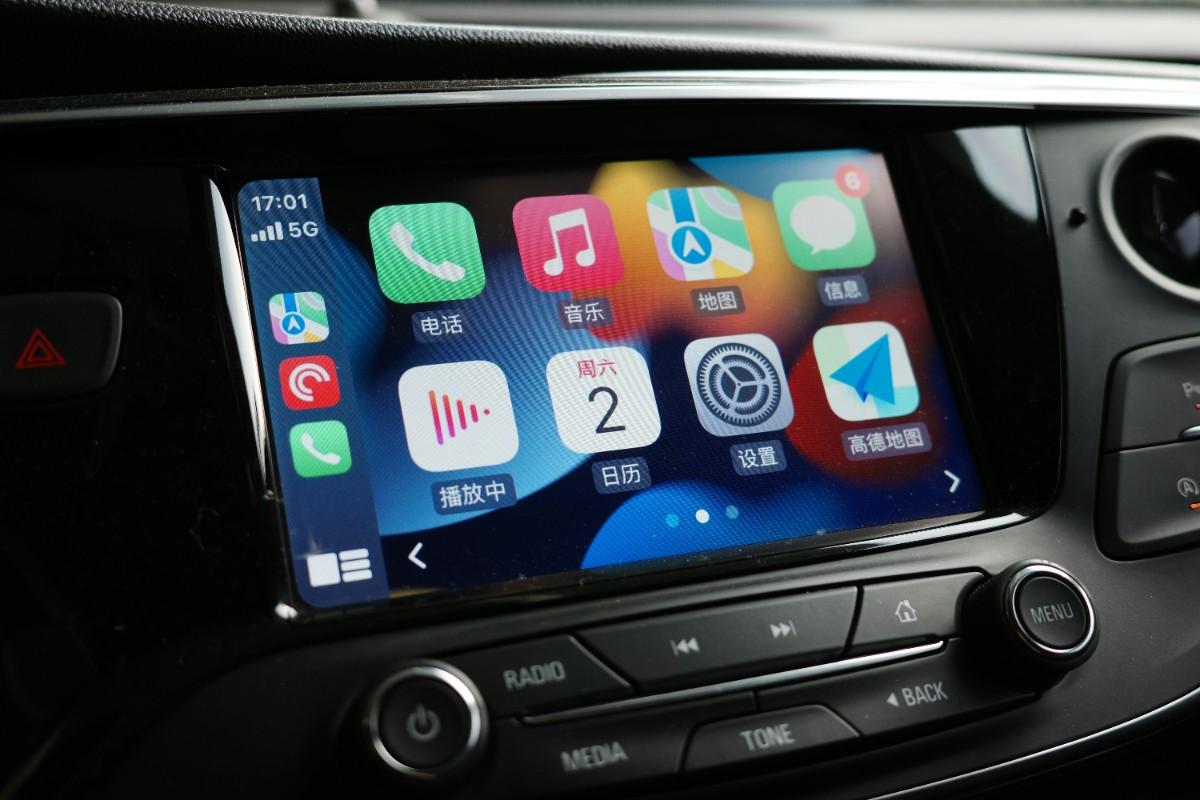
Image source: unsplash
Table of Contents
To use CarPlay, you just need an iPhone, a USB cable, and an internet connection for navigation or streaming music. However, newer cars with Wireless CarPlay don’t require a phone plugged in. Or rather, the hassle of plugging in is eliminated. All you have to do is get in the car and start the engine. Your iPhone will connect automatically.
But the question always remains: why is it necessary to prioritize wired CarPlay when your car is capable of supporting wireless connections? In terms of differences, there’s no difference between wired and wireless CarPlay in terms of features or functionality. You can use the same apps, make and receive calls, and more with both methods. Using the new AI-powered Siri also works equally well on both.This means that if your car supports wireless CarPlay, there’s no real reason not to use it. However, there are certain situations where a wired connection proves to be more reliable. Let’s understand the two in detail.
Benefits of Wired Apple CarPlay
The biggest problem with wireless CarPlay is when it occasionally loses connectivity. Car infotainment systems can be quite capricious, and if you’re driving on an unfamiliar road and suddenly the navigation screen disappears, it can be frustrating. This kind of problem is almost never seen with wired connections, and there’s no need to go into your phone’s Bluetooth settings and set everything up before you go. Plug in the cable and go.
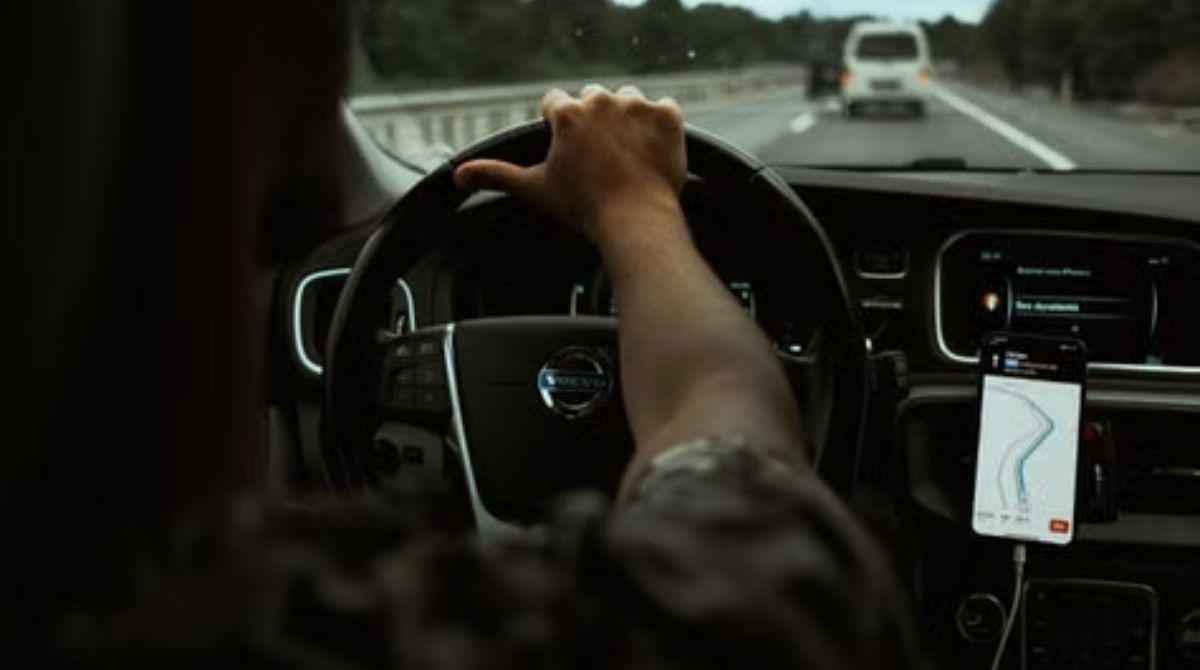
image source: www.pexels.com
Another thing is that cars with wireless CarPlay allow you to pair multiple iPhones simultaneously. This is useful when another member of the household is driving the car and doesn’t have to repeat the pairing. However, it sometimes causes time-consuming problems, such as the car automatically connecting to the wrong iPhone, or if there are multiple paired devices nearby. In such cases, you have to go back into the Bluetooth settings and manually select the correct phone. This hassle is absent with a wired connection, as the phone plugged in receives the connection directly.
One advantage of using a cable is that you don’t have to worry about your phone’s battery draining while traveling. Older iPhones’ battery performance degrades significantly over time, and I don’t want to have to ask for a charger the moment I get out of the car. Furthermore, a wired connection also offers better audio quality when using a music streaming service that offers lossless audio. The latency issues associated with skipping tracks or summoning Siri are also virtually eliminated with a wired connection.
Read more:
- How to format a USB drive on Windows? Here’s how.
- What is the difference between Bluetooth, Wi-Fi and 2.4G wireless devices?
Wireless CarPlay has its advantages too
Each has its own advantages, and in this context, some points are more important, which you can read about below.With wireless Apple CarPlay, you don’t have to deal with any cable-related hassles. In fact, most cars still have a USB-A port, while the cables that come with new iPhones have USB-C connectors on both sides. In such a situation, for a wired connection, you have to find a suitable and compatible cable, which is not always easy for us. This is often seen. Cables also create a different kind of confusion in the car. Sometimes, due to the large size of the phone, the cable does not fit properly in a small space.
If you’re a crowded person on a long-distance or highway trip, where you want to set everything up and leave it your way, a wired connection isn’t much of a problem. However, if your route involves frequent stops and getting in and out of the car, plugging in and out of the phone every time can be a hassle. Furthermore, if a pillion rider wants to control the music, passing the phone around with a wireless connection can be beneficial.
It’s worth noting that switching to wireless doesn’t mean you have to give up any features. With the new iOS version, it’s now possible to watch videos on CarPlay, and since it works with AirPlay technology, you can enjoy them without worrying about audio-video sync, just like when mirroring your iPhone to a TV. Have you ever mirrored it?
So which one is better after all?
To tell the truth,You can choose any one and make it better for your work.This depends entirely on your needs and driving style. If you typically take long drives, are particularly keen on music quality, or are constantly worried about battery drain, wired CarPlay may be a better option. It’s reliable, fast, and virtually eliminates any connectivity issues.
Similarly, if you make a lot of short trips around the city, frequently get in and out of your car, or simply want to avoid the hassle of cables, wireless CarPlay will make your everyday life much easier. The best part is that both offer the same features, so whichever you choose, there won’t be any significant difference in the experience. Many people find both work well. Wireless for short daily commutes, and wired for longer road trips, both options can’t be ignored.
Ultimately, technology is made for us and its purpose is to make your life easier. So, the next time you get in your car, choose between connecting to a cable or connecting wirelessly without any hassle. Both options help you achieve a smarter, safer, and more connected driving experience.