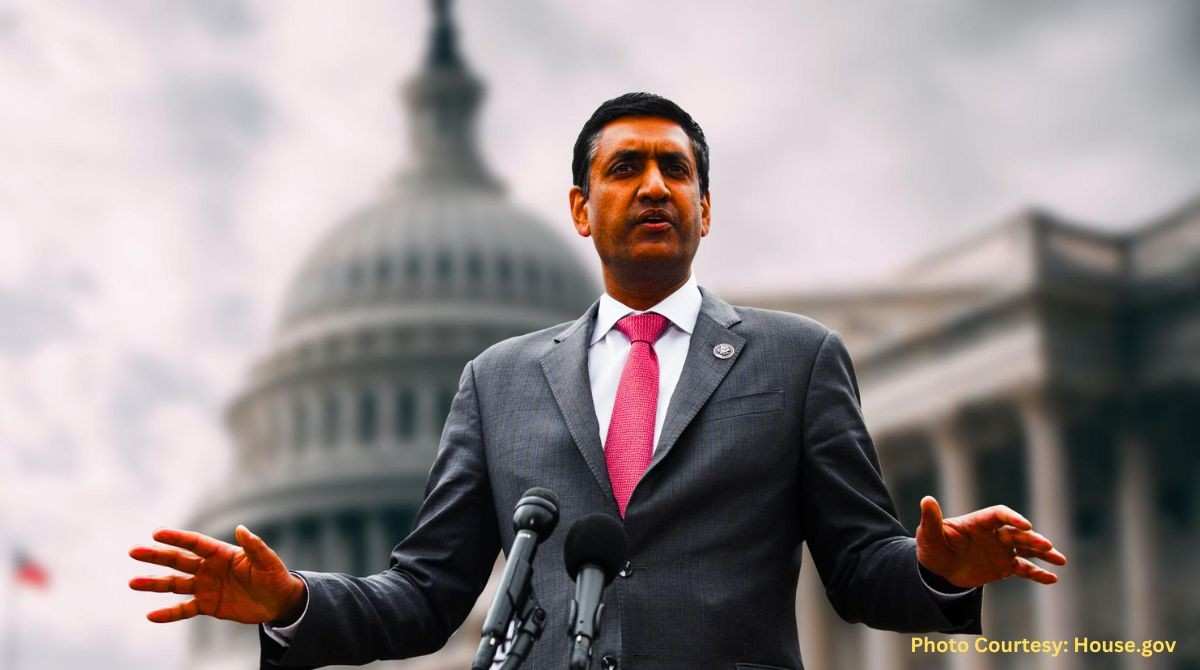

As if the demand for artificial intelligence and digital services is booming. To meet this growing demand, large tech companies are building massive data centers across the country. However, the current situation has become challenging to manage. The impact of these data center construction on local communities has given rise to a new debate against data centers. Recently, US Congress member Ro Khanna took a major step on this issue by advocating for a ‘Data Center Bill of Rights’.
What is the whole matter?
Congressman Ro Khanna has introduced a resolution in the US House of Representatives that seeks to give local communities the legal right to speak out and stop data centers being built near them. It’s often seen that local communities and their concerns are ignored at the state level when it comes to large projects. Khanna’s resolution seeks to take control and stop the process.
Why is this right important?
Data centers are important for technological advancements, but they also pose significant challenges. Khanna proposes that communities should have the right to choose which data centers they use.There should be an option to prevent the construction of data centers within 2,500 feet of residential areas, schools, hospitals and nursing homes.
Data center companies should share information about their projects transparently with the community so that they can make informed decisions.According to research, data centers can consume large amounts of water and electricity. Reports suggest that by 2028, AI data centers could use up to 32 billion gallons of water annually. Furthermore, pollution from their generators and turbines can harm the local environment. Therefore, they believe thatCommunities should also have the right to decide whether these centres impact local electricity rates.
Read More:
Ro Khanna The proposal directly challenges government efforts to exempt data centers from existing environmental laws. In many cases, the federal government has also attempted to prevent states from regulating these centers.
This proposal runs counter to California’s housing laws, which were designed to mitigate opposition from “NIMBY” groups. Khanna believes that the quality of life and the environment of local residents cannot be compromised in the name of technological advancement.This is just a proposal right now and may have a long way to go before it becomes full-fledged law. But this debate highlights very important rules.